
Google announced on 20 November 2026 that grocery Connected Apps from Albertsons, Safeway, Shaw’s and Target are rolling out in the United States through Search and the Gemini app. They help shoppers assemble orders and check out, using the Universal Commerce Protocol (UCP).
For owners researching Google Connected Apps for small businesses, the immediate answer is limited: this announcement names selected partners. It doesn’t make every shop eligible. The useful next step is to check your integration route and product data before budgeting for a launch.
What is rolling out and what is still planned
Google’s announcement also extends Experian from Gemini to Search for US credit-rating checks and personal-loan shopping. H&R Block is available in Search for tax calculations and refund estimates. Angi and Thumbtack account linking in Search is planned for the coming weeks.
That timing matters. The announcement is dated 20 November, even though some coverage appeared on 21 November. It describes a US rollout, not an India launch. It doesn’t provide a complete device, subscription-tier or fee schedule, so don’t assume universal access or free third-party services.
Can a small business add its own Connected App
Google’s Connected Apps Platform documentation offers an application for preview access. During the preview, developers can use Connected Console for tool registration, usage analysis, review and publishing. The platform supports connections to authorized data and actions through the Model Context Protocol (MCP), with OAuth guidance for user authorization.
This is a developer path. An ordinary search listing doesn’t establish that your business has an approved Connected App. Applying for the preview also shouldn’t be treated as confirmation that your service will appear in every Google product.
For commerce, Google’s Merchant Center onboarding guide describes a separate UCP process: complete the technical implementation, submit an interest form and wait for selection before accessing onboarding. It includes a sandbox for validating the integration. Businesses using an ecommerce platform or service provider are directed to ask that provider about its UCP plans.
The guide describes gradual US onboarding, with Australia and Canada to follow next year. That is the integration-hub timetable, not a promise that today’s named grocery apps are available in those markets.
My business take is to prepare the transaction first
Analysis: the practical question is whether your business can fulfil the request accurately once a customer moves from a conversation to an order. A polished product description won’t rescue a cart with outdated stock or an unclear delivery charge.
Start small. For an illustrative independent grocery business, I would review a handful of frequently ordered products with the operations team. Check pack sizes, current prices, substitution rules and delivery areas. Then follow one order through to cancellation or refund. This is a suggested evaluation, not a test I’ve run or a claim of increased sales.
My guide to AI product visibility explains the underlying work on accurate product information and useful buying details. That work remains worthwhile while access is limited. It also helps customers who buy through your existing website.
For an agency such as Leelija, I would separate a readiness review from the cost of building an integration. Before approving development, ask:
- Does the provider support our business, market and checkout flow today, or is it only discussing a future release?
- Who maintains stock, pricing and customer authorization when something changes?
- Can we identify completed orders, failed attempts and support requests without counting every interaction as a sale?
For local service businesses, the Angi and Thumbtack announcement is a reason to watch those platforms’ specific requirements. It isn’t evidence that every listed professional will receive leads from Search. Avoid paying for an assumed benefit before the eligibility and reporting are clear.
What to do this week
Ask your existing commerce provider for a written account of its current UCP support and any charges. Keep the answer tied to your market and account. If you operate only in India, don’t build a sales forecast around this US announcement.
For wider context, see my Google Gemini updates guide. For this rollout, the decision is narrower: establish access, fix the information needed to complete an order, and agree how success will be measured before committing development time.
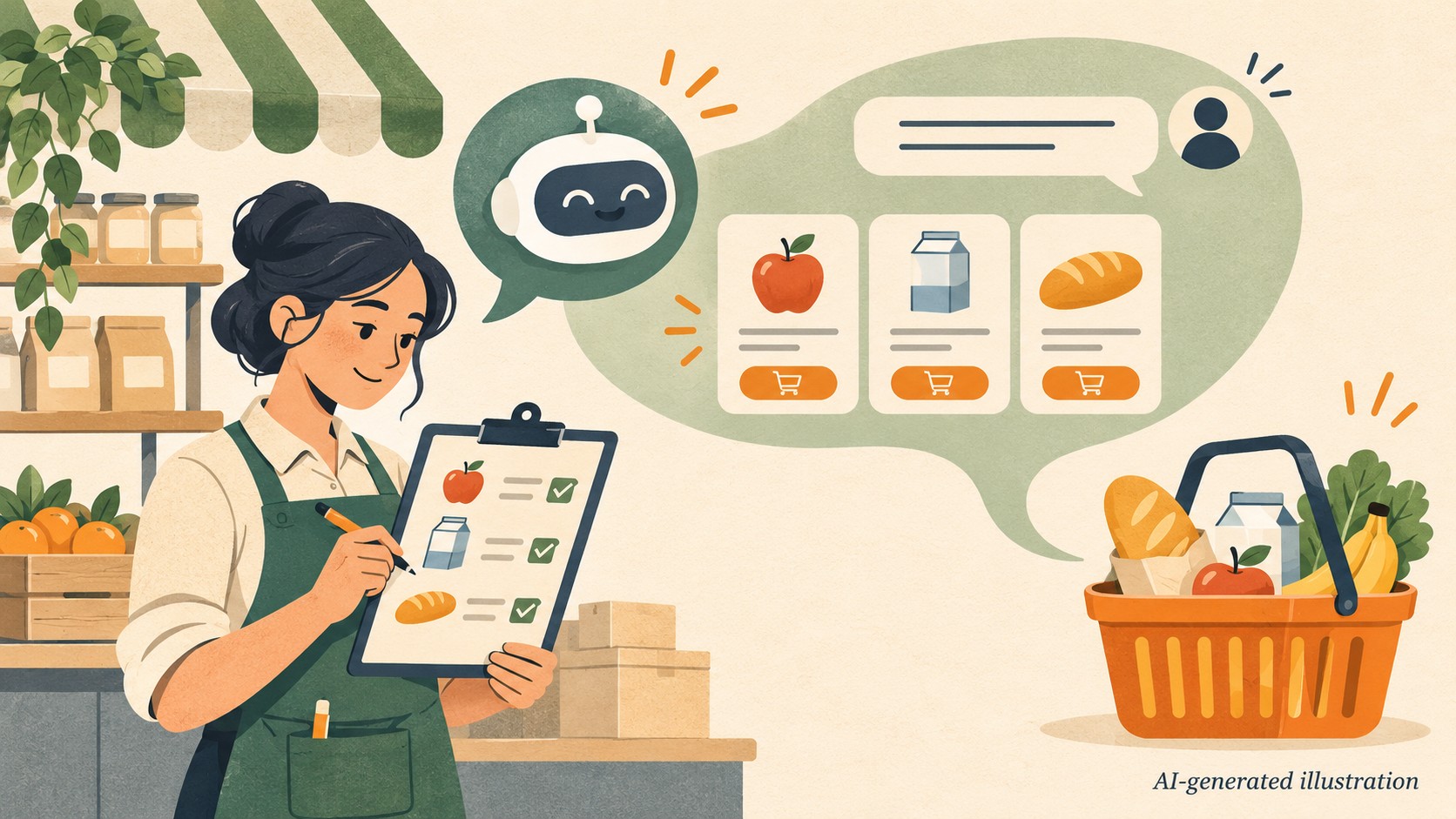
Sources checked 21 November 2026. Product and rollout details come from Google’s linked announcement and documentation; recommendations are the author’s analysis. Featured image: AI-generated editorial illustration, not a product screenshot.